



The Timeless Power of Exercise: Cultivating Vitality in a Modern World

Introduction: An Ancient Practice, A Modern Necessity
Long before gyms, fitness trackers, and trendy workout regimens, humans have moved their bodies with purpose and instinct. From the early hunter-gatherer who roamed vast landscapes to the athlete competing in ancient Olympic games, exercise has always been woven into the human story. Today, as lifestyles grow increasingly sedentary, the conscious commitment to exercise is not merely about aesthetics—it is a profound act of self-preservation and empowerment.
Understanding Exercise: More Than Physical Movement
At its essence, exercise is intentional physical activity designed to improve or maintain one’s health and fitness. Yet, its impact extends far beyond the physical. Proper exercise nurtures the mind, sharpens focus, lifts moods, and even strengthens community bonds when done together.
The Many Faces of Exercise
There is no singular way to define exercise, for its forms are as varied as the people who practice it. From the serene flow of yoga to the vigorous rhythm of high-intensity interval training, the choices are plentiful.
Popular Categories Include:
-
Aerobic Exercise: Activities that increase heart rate and breathing, such as running, cycling, or swimming.
-
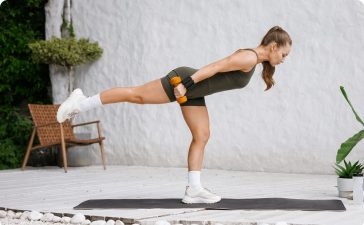
Strength Training: Resistance-based movements like weightlifting or bodyweight exercises that build muscle and bone density.
-
Flexibility Work: Stretching, yoga, and Pilates that enhance range of motion and prevent injury.
-
Balance and Coordination: Practices like tai chi, dance, or balance drills that refine motor skills.
Why We Need to Move: The Health Dividend
Modern science has only reinforced what our ancestors intuitively knew—regular exercise is foundational to a healthy life. A consistent fitness routine can transform not just bodies but entire lives.
Compelling Benefits of Exercise:
-
Physical Health: Reduces risk of chronic diseases like heart disease, diabetes, and obesity.
-
Mental Wellbeing: Releases endorphins that alleviate stress, anxiety, and depression.
-
Longevity: Studies show active individuals often live longer, healthier lives.
-
Cognitive Function: Enhances memory, focus, and even protects against age-related decline.
-
Quality of Life: Boosts energy levels, improves sleep, and cultivates self-confidence.
Creating a Sustainable Exercise Habit
Many people enthusiastically start a fitness regimen only to abandon it weeks later. The secret to lifelong exercise lies in sustainability, enjoyment, and integration into daily life.
Principles for Success:
-
Start Small: Overambitious plans often lead to burnout. Begin with manageable goals.
-
Find Your Joy: Whether it’s dancing, hiking, or team sports, choose activities you genuinely enjoy.
-
Routine Over Intensity: Consistency beats occasional extremes every time.
-
Accountability: Work out with a friend, join a class, or hire a coach.
-
Celebrate Milestones: Recognize progress to stay motivated.
Breaking the Sedentary Cycle
In our digital age, many are shackled to desks and screens for hours on end. The consequences of prolonged sitting are well documented: weakened muscles, poor posture, weight gain, and increased risk of disease. Breaking this cycle demands conscious effort.
Practical Ways to Integrate Movement:
-
Take short standing or walking breaks every hour.
-
Opt for stairs instead of elevators.
-
Cycle or walk to nearby errands.
-
Use a standing desk or take calls while pacing.
-
Incorporate quick stretches throughout the day.
Exercise and Mental Resilience
The link between movement and mental clarity is profound. A brisk walk can soothe frayed nerves; a challenging workout can provide a sense of accomplishment. For many, exercise becomes a sanctuary—a predictable anchor amidst life’s chaos.
How Movement Shapes the Mind:
-
Improves mood through chemical release of endorphins and serotonin.
-
Provides an outlet for pent-up stress and frustration.
-
Enhances sleep quality by regulating circadian rhythms.
-
Builds discipline and grit that transfer to other areas of life.
Dispelling Common Myths
Despite widespread awareness, many myths discourage people from embracing exercise fully.
Frequent Misconceptions:
-
“I don’t have time.” Short, high-quality sessions can be just as effective as long ones.
-
“I’m too old to start.” Exercise benefits people of all ages—many seniors see transformative improvements.
-
“I need a gym membership.” A park, living room, or backyard can become a perfectly functional fitness space.
-
“I must look fit to work out.” Fitness is not a prerequisite—it is the outcome of showing up, imperfectly, again and again.
The Social Side of Sweat
While solitary runs and solo workouts have their place, community exercise offers powerful motivation. Group fitness classes, sports teams, or outdoor clubs add a social dimension that can make the journey enjoyable and lasting.
Benefits of Exercising Together:
-
Builds friendships and accountability.
-
Fosters healthy competition.
-
Makes sessions feel less like a chore and more like a gathering.
-
Encourages people to push beyond perceived limits.
Looking Ahead: The Future of Fitness
As technology evolves, so too does the landscape of exercise. Wearable devices, virtual trainers, and online communities have made fitness more personalized and accessible than ever before. The challenge for the modern exerciser is not scarcity of options but cutting through noise to find what truly works for them.
Emerging Trends to Watch:
-
Virtual reality workouts and immersive fitness experiences.
-
Smart home gyms that track performance and adapt routines.
-
Growing focus on holistic wellness, blending exercise with mindfulness and recovery.
-
Community-based initiatives encouraging active living in urban spaces.
Conclusion: A Commitment to Ourselves
In the end, exercise is not punishment for what we ate, nor a frantic race toward an unrealistic body ideal. It is a lifelong dialogue with our bodies—an act of respect and gratitude for the vessel that carries us through life’s triumphs and trials.
To move is to live fully. To sweat is to cleanse not just the body but the mind. In an era where we are busier yet more sedentary than ever before, choosing to exercise is one of the simplest yet most powerful ways to honor ourselves, one step, one breath, and one rep at a time.