


Exercises for Better Breathing and Lung Capacity

Breathing is a vital physiological process that operates continuously in the background of daily life. Because respiration occurs automatically, many people pay little attention to how they breathe. Poor posture, sedentary habits, chronic stress, and environmental pollutants often cause individuals to default to shallow chest breathing. This inefficient style of breathing utilizes only a fraction of total lung capacity, leaving the lower lobes of the lungs under-ventilated and forcing auxiliary neck and shoulder muscles to overwork.
Dedicated breathing exercises and cardiovascular conditioning can strengthen respiratory muscles, increase chest wall mobility, and improve lung efficiency. Developing optimal lung capacity and breathing mechanics improves oxygen delivery to vital organs, supports physical endurance, lowers baseline stress hormones, and aids overall respiratory resilience.
The Physiology of Respiratory Efficiency
To understand how targeted exercises improve breathing, it helps to review the mechanics of the respiratory system. The lungs themselves are passive organs composed of spongy, elastic tissue. Inhalation and exhalation are driven by pressure changes created by primary and secondary respiratory muscles.
-
The Diaphragm: The principal muscle of respiration, a dome-shaped sheet of muscle sitting directly beneath the lungs. When contracting during deep inhalation, the diaphragm flattens downward into the abdominal cavity, creating negative pressure that pulls air deep into the lungs.
-
Intercostal Muscles: Muscles located between the ribs that expand and contract the rib cage during physical exertion or deliberate deep breathing.
-
Auxiliary Neck and Chest Muscles: The scalenes, sternocleidomastoid, and pectoralis minor assist with chest expansion during high-intensity physical activity or rapid breathing.
When individuals rely perpetually on shallow chest breathing, the diaphragm becomes weak and underused. Retraining primary respiratory muscles restores natural lung elasticity and improves gas exchange at the cellular level.
Foundational Diaphragmatic Breathing Techniques
Diaphragmatic breathing, often called belly breathing, is the cornerstone of respiratory retraining. This technique engages the diaphragm fully, ensuring that air reaches the oxygen-rich lower lobes of the lungs.
How to Perform Diaphragmatic Breathing
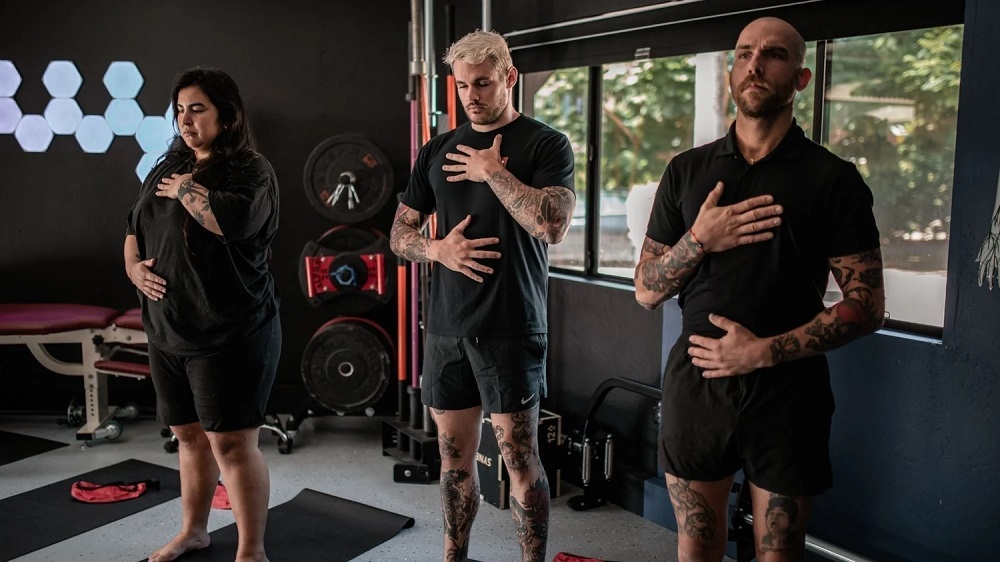
Lie comfortably on your back on a flat surface or bed with your knees bent and head supported. Place one hand flat on your upper chest and the other hand on your abdomen just below your rib cage. Inhale slowly through your nose for a count of four, focusing on driving air deep into your stomach so that the hand on your abdomen rises while the hand on your chest remains relatively still. Exhale slowly through pursed lips for a count of six, feeling your abdomen fall inward toward your spine.
Practicing diaphragmatic breathing for five to ten minutes two to three times daily conditions the diaphragm, slows rapid breathing rates, and lowers systemic anxiety.
Pursed-Lip Breathing for Airways Clearance
Pursed-lip breathing is a foundational respiratory technique designed to slow the pace of breathing and keep airways open longer during exhalation. It is particularly effective for individuals experiencing shortness of breath, respiratory fatigue, or elevated physical stress.
The Mechanics of Pursed-Lip Breathing
Sit upright in a comfortable chair with your shoulders relaxed and dropped away from your ears. Inhale slowly through your nose for two seconds with your mouth closed. Purse your lips gently, as if preparing to blow out a candle or whistle. Exhale slowly and smoothly through your pursed lips for a count of four seconds.
The resistance created by exhaling through narrowed lips maintains positive backpressure within the bronchial tubes. This pressure prevents small airways from collapsing prematurely during exhalation, allowing trapped stale air to escape and leaving more room for fresh, oxygenated air on the next inhalation.
Rib Cage Expansion and Mobilization Drills
Lung capacity is bounded by the flexibility of the rib cage and thoracic spine. A rigid, immobile chest wall restricts the lungs from expanding fully, even when primary breathing muscles are strong. Rib mobilization drills combine physical movement with deep breathing to increase thoracic mobility.
-
The Rib Stretch: Stand upright or sit erect in a chair. Exhale all air completely from your lungs. Inhale as deeply as possible through your nose, expanding your rib cage outward in three dimensions. Hold your breath at maximum expansion for five to ten seconds. Slowly exhale through your mouth while relaxing your shoulders and torso. Repeat for three to five cycles.
-
Seated Thoracic Rotation with Deep Inhalation: Sit upright with your feet flat on the floor. Cross your arms over your chest. Turn your upper torso slowly to the right. Once at the end of your rotational range, take a slow, deep abdominal breath to stretch the intercostal muscles on the left side of your chest. Exhale fully, return to the center, and repeat on the opposite side.
-
Overhead Side Bends: Stand with your feet hip-width apart. Raise both arms overhead, clasping your hands together. Lean your torso slowly to the left, opening up the right side of your rib cage. Inhale deeply into the expanded right side of your chest, hold for two seconds, and exhale as you return to an upright position. Repeat on the left side.
Aerobic Exercise for Structural Lung Conditioning
While targeted breathing exercises strengthen individual respiratory muscles, dynamic cardiovascular training conditions the entire cardiorespiratory system. Aerobic exercise increases oxygen demand, forcing the heart to pump more blood and the lungs to exchange gases more rapidly.
High-Yield Cardiovascular Modalities
-
Brisk Walking and Running: Engaging in rhythmic, continuous running or walking elevates respiration, driving the lungs to expand repeatedly toward maximum volume.
-
Swimming: Swimming requires strict breathing rhythms, as respiration must synchronize with arm strokes. Holding the breath briefly beneath the water and exhaling against water resistance builds strong intercostal and diaphragmatic strength.
-
Cycling and Rowing: Both modalities demand sustained oxygen intake over extended periods. Rowing particularly emphasizes posture, thoracic extension, and deep chest expansion.
Engaging in at least 150 minutes of moderate aerobic exercise weekly expands stroke volume, increases capillary density around alveoli, and improves overall oxygen utilization efficiency throughout the body.
Pranayama and Structured Breath Holds
Pranayama, the practice of breath control rooted in yoga, offers structured techniques that enhance breath awareness, increase lung volume, and balance the nervous system.
Box Breathing (Four-Square Breathing)
Box breathing is used widely by athletes, tactical professionals, and meditators to enhance focus and lung control under stress. Sit upright with your back straight. Exhale all air completely. Inhale through your nose for a count of four, hold your breath for four, exhale smoothly through your mouth for four, and hold your lungs empty for four. Repeat this four-part cycle for four to five minutes.
Alternate Nostril Breathing (Nadi Shodhana)
Sit comfortably in a chair. Rest your left hand on your lap and bring your right hand to your nose. Use your right thumb to close your right nostril and inhale slowly through your left nostril. Close your left nostril with your ring finger, release your thumb, and exhale through your right nostril. Inhale through the right nostril, close it, and exhale through the left. This rhythmic practice regulates airflow, clears nasal passages, and encourages steady, deep breathing.
Integrating Breathing Work into Daily Routines
Establishing long-term improvements in lung capacity requires integrating breath awareness into everyday life rather than treating it as an isolated exercise.
-
Maintain Postural Alignment: Slouching over desks or smartphones compresses the abdominal cavity and restricts the diaphragm. Sit and stand with your spine tall, shoulders back, and head aligned over your torso to provide maximum physical space for lung expansion.
-
Practice Micro-Breaths: Set gentle reminders during work hours to pause for thirty seconds, drop your shoulders, and complete three slow, deep diaphragmatic breaths.
-
Avoid Environmental Irritants: Protect your lung tissue by avoiding tobacco smoke, chemical fumes, and heavy air pollution. Use air purifiers indoors to reduce airborne dust and allergens that irritate respiratory linings.
Frequently Asked Questions
How long does it take to see noticeable improvements in lung capacity?
With consistent daily practice of diaphragmatic breathing and regular cardiovascular exercise, most individuals notice subtle improvements in breath control, reduced physical fatigue, and greater daily composure within two to four weeks. Significant structural adaptations in thoracic mobility and endurance typically develop over eight to twelve weeks.
Can breathing exercises cure underlying lung conditions like asthma or COPD?
Breathing exercises cannot cure chronic medical conditions like asthma or Chronic Obstructive Pulmonary Disease. However, techniques like pursed-lip breathing and diaphragmatic training are standard components of pulmonary rehabilitation. They help manage symptoms, reduce breathlessness, improve exercise tolerance, and enhance quality of life when used alongside medical care.
Is it better to breathe through the nose or the mouth during daily activities?
Nasal breathing is superior for resting daily activity. The nasal passages filter, warm, and humidify incoming air before it reaches the delicate tissues of the lungs. Nasal breathing also stimulates the release of nitric oxide, a compound that dilates blood vessels and improves oxygen transport. Mouth breathing should generally be reserved for high-intensity physical exertion when oxygen demand exceeds nasal capacity.
Why do I feel dizzy when I first start practicing deep breathing exercises?
Dizziness usually occurs when deep breathing is performed too rapidly, causing hyperventilation. Rapid deep breathing expels too much carbon dioxide from the bloodstream, causing blood vessels in the brain to constrict temporarily. To prevent dizziness, slow your breathing rhythm down, lengthen your exhalations, and ensure you are not blowing air out with excessive force.
Does blowing up balloons actually increase lung capacity?
Blowing up balloons acts as a form of resistance training for the respiratory muscles. Exhaling forcefully against the elasticity of the balloon challenges the diaphragm, intercostals, and abdominal muscles. While it does not expand the physical size of healthy lungs, it strengthens the muscles that drive forced exhalation and improves respiratory endurance.
Can posture affect lung capacity significantly?
Yes, poor posture impacts functional lung capacity directly. Slouching or curving the shoulders forward compresses the chest cavity, tilts the ribs downward, and restricts the downward movement of the diaphragm. Research indicates that poor posture can reduce total lung capacity by up to thirty percent compared to an upright, aligned stance.
Is it safe to hold your breath for extended periods during lung exercises?
Short, controlled breath holds of three to five seconds, such as those used in box breathing or rib stretches, are completely safe for healthy individuals. However, prolonged breath holding that causes severe lightheadedness, straining, or discomfort should be avoided, particularly by individuals with high blood pressure, cardiovascular disease, or pregnancy.