



How Seasonal Yoga Practices Support Year-Round Wellness

Human biology and nature are deeply interconnected. Throughout the year, external environments undergo dramatic shifts in temperature, humidity, daylight hours, and atmospheric pressure. Yet, many people maintain the exact same high-intensity exercise routine, dietary habits, and daily schedules regardless of whether it is freezing mid-winter or sweltering mid-summer. Ignoring these external environmental shifts can lead to physical fatigue, joint stiffness, immune vulnerability, seasonal affective mood changes, and chronic burnout.
Seasonal yoga offers a time-tested, holistic approach to movement and mindfulness that adapts to the natural rhythms of the earth. Rather than forcing the body into an unchanging, rigid fitness routine year-round, seasonal yoga adjusts physical postures, breathing exercises, pace, and mental focus to balance the specific physiological and psychological demands of spring, summer, autumn, and winter. Aligning your movement practice with the changing seasons supports year-round vitality, enhances immune function, and fosters deep emotional resilience.
The Principles of Seasonal Alignment in Yoga
The concept of modifying health practices according to the seasons is rooted in traditional holistic wellness systems, including classical Yoga and Ayurveda. According to these frameworks, the human body is composed of the same fundamental elements as nature: earth, water, fire, air, and space. When environmental conditions change, internal biological balances shift accordingly.
-
Spring: Characterized by moisture, warmth returning, and melting snow. Biological energy shifts toward cleansing, shedding excess winter weight, and awakening dormant physical systems.
-
Summer: Defined by heat, intensity, daylight abundance, and dryness. Internal energy increases, requiring cooling, soothing, and stabilizing movement to prevent heat-induced irritability and inflammation.
-
Autumn: Marked by wind, cooling temperatures, dryness, and shifting light. Physical and mental energy can become scattered, demanding grounding, steady, and warming practices to counteract restlessness.
-
Winter: Defined by cold, darkness, moisture, and stillness. Biological systems naturally slow down, making winter the time for restorative movement, deep internal reflection, and immune preservation.
By tuning into these environmental qualities, a seasonal yoga practice acts as a natural counterweight, restoring internal harmony and preventing seasonal health imbalances before they manifest.
Spring Yoga: Renewal, Detoxification, and Awakening
As nature awakens in spring, the body naturally seeks to slough off sluggishness, stagnant fluid, and excess physical weight accumulated during sedentary winter months. Spring is the season of renewal, making it the ideal time to focus on circulation, lymphatic drainage, and liver stimulation.
Physical Postures for Spring
Spring yoga practices emphasize dynamic movement, spinal twists, and chest openers to clear respiratory congestion and stimulate digestive organs.
-
Spinal Twists: Seated and standing twists compress and release abdominal organs, stimulating circulation in the liver, gallbladder, and kidneys to encourage natural metabolic detox.
-
Dynamic Sun Salutations: Moving fluidly through flowing sequences builds internal heat, increases heart rate, and promotes gentle sweating to clear sluggishness.
-
Backbends and Chest Openers: Postures like Cobra Pose, Camel Pose, and Bridge Pose open the chest and lungs, expanding respiratory capacity and relieving spring allergen congestion.
Pranayama and Focus
Incorporate energizing breathwork such as Kapalabhati (Skull-Shining Breath) or Bhastrika (Bellows Breath) to clear nasal passages, boost sluggish morning energy, and fire up metabolic activity.
Summer Yoga: Cooling, Hydration, and Moderation
Summer brings abundant sunshine, warmth, and high external energy. However, excessive external heat can easily lead to physical dehydration, inflammation, digestive acidity, skin irritation, and emotional frustration. Summer yoga focuses on cooling the body, releasing physical tension, and maintaining emotional composure.
Physical Postures for Summer
Summer practices step away from intense, sweat-inducing flows in favor of moderate, smooth movements that unburden the heart and cool the nervous system.
-
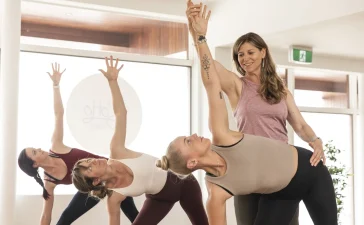
Side Body Stretches: Postures like Extended Side Angle and Reverse Warrior open the ribs and sides of the torso, releasing heat from the liver and gallbladder regions.
-
Gentle Forward Folds: Seated and standing forward bends, such as Paschimottanasana, cool the brain, lower blood pressure, and quiet an overstimulated nervous system.
-
Supported Hip Openers: Gentle hip-opening shapes like Pigeon Pose or Bound Angle Pose release deep emotional and physical heat without causing cardiovascular exhaustion.
Pranayama and Focus
Practice Sheetali or Sheetkari (Cooling Breath), where air is drawn in through a rolled tongue or lightly closed teeth, instantly lowering internal body temperature and soothing mental agitation.
Autumn Yoga: Grounding, Stability, and Moisture
Autumn brings crisp air, falling leaves, unpredictable winds, and shortening days. The dry, erratic nature of autumn often reflects internally as dry skin, joint popping, erratic digestion, anxiety, and a scattered mind. Autumn yoga prioritizes grounding, deep stability, and building internal resilience against the coming cold.
Physical Postures for Autumn
Autumn practices focus on standing balances, deep leg work, and slow, deliberate movements that anchor energy into the earth.
-
Standing Balance Postures: Shapes like Tree Pose, Warrior III, and Eagle Pose demand full mental focus and physical grounding, steadying a scattered mind.
-
Deep Rooted Stances: Holding Warrior I, Warrior II, and Goddess Pose strengthens the lower body, builds pelvic stability, and fosters physical security.
-
Supported Inversions: Gentle inversions like Legs-Up-The-Wall Pose draw excess nervous energy down from the head, soothing autumn anxiety and promoting peaceful sleep.
Pranayama and Focus
Emphasize Nadi Shodhana (Alternate Nostril Breathing) to balance the left and right hemispheres of the brain, settle the nervous system, and restore inner stability amid seasonal transitions.
Winter Yoga: Restoration, Heat Preservation, and Reflection
Winter is a time of deep rest, darkness, and quiet inward focus. Forcing high-intensity, exhausting physical routines during cold winter months can drain immune reserves and leave joints susceptible to stiffness and injury. Winter yoga balances deep, restorative stillness with gentle core warming to preserve physical energy and protect immune health.
Physical Postures for Winter
Winter practices blend gentle, deep core heating with long-held Restorative and Yin yoga shapes that nourish deep connective tissue and joints.
-
Core Waking Postures: Subtle core engagement through Plank Pose, Chair Pose, or Locust Pose generates a steady, sustained internal fire without causing heavy sweating or chilling draft exposure.
-
Gentle Restorative Holds: Using props like bolsters, blankets, and blocks to support shapes like Reclined Butterfly or Supported Child’s Pose allows deep relaxation, quietening the adrenal glands.
-
Joint Mobilization Sequences: Gentle, slow wrist, ankle, hip, and neck rotations keep synovial fluid moving, counteracting cold-weather joint stiffness.
Pranayama and Focus
Practice Surya Bhedana (Right Nostril Breathing) or slow Ujjayi (Victorious Breath) to generate gentle internal warmth, clear winter lethargy, and support immune resilience.
Integrating Seasonal Awareness Into Everyday Life
Transitioning your yoga practice with the seasons is most effective when paired with mindful lifestyle modifications that support environmental harmony.
-
Adjust Movement Speed: Slow down your transition between postures in cold autumn and winter months, while adopting smooth, unhurried cadences in hot summer months.
-
Align Diet with Movement: Complement your seasonal yoga by consuming warm, cooked root vegetables and broths in autumn and winter, fresh greens and juicy fruits in summer, and light, bitter greens in spring.
-
Respect Natural Light Cycles: Waking earlier during long summer days and allowing for extra rest and earlier bedtimes during dark winter nights honors your body’s natural circadian biology.
Adopting a flexible, season-aware mindset transforms yoga from a repetitive exercise routine into an intuitive, lifelong practice that sustains health, energy, and peace of mind across every month of the year.
Frequently Asked Questions
How do I know when it is time to transition my yoga practice for a new season?
Listen to your body’s subtle cues rather than relying strictly on calendar dates. When you notice environmental shifts—such as sudden autumn crispness, summer heat waves, or spring humidity—and feel corresponding internal shifts like joint stiffness, dry skin, fatigue, or mood changes, begin modifying your practice sequence, pace, and breathwork accordingly.
Can I still do high-intensity Vinyasa flows during the summer months?
Yes, but modify your approach to avoid overheating. Practice during cooler early morning hours, reduce the number of rapid Sun Salutations, incorporate cooling side-body stretches, and conclude with extended cooling forward folds and longer relaxation holds to prevent heat accumulation in the body.
What is the best yoga style for autumn anxiety and seasonal stress?
Slow, grounded practices like Hatha yoga, Yin yoga, or slow-flow classes are exceptional for autumn anxiety. Practices that emphasize standing balance postures, long-held leg shapes, deep abdominal breathing, and supported restorative poses anchor scattered mental energy and calm an overactive nervous system.
How does seasonal yoga support immune system health during winter?
Winter seasonal yoga supports immunity by minimizing physical over-exhaustion, lowering chronic stress hormones like cortisol, and stimulating the lymphatic system through gentle inversions and movement. Restorative postures allow the body to direct essential metabolic energy toward immune defense and cellular repair.
Do I need special props to practice seasonal yoga at home?
No special equipment is required. While traditional bolsters, blocks, and straps are helpful, you can easily use household items like rolled bed pillows, thick blankets, sturdy books, or couch cushions to support your body during cooling summer shapes or restorative winter holds.
How does pranayama change between hot and cold seasons?
In hot seasons like summer, practice cooling pranayama techniques like Sheetali or Sheetkari, which draw air across moist surfaces to cool internal temperatures. In cold seasons like winter and late autumn, practice warming techniques like Ujjayi, Kapalabhati, or Surya Bhedana to generate internal metabolic heat and clear lung congestion.
Can seasonal yoga help with Seasonal Affective Disorder during dark winter months?
Yes, seasonal yoga is a valuable tool for managing winter mood shifts. Combining subtle warming core movements with chest-opening gentle backbends and invigorating breathwork stimulates endorphin production, increases oxygen flow, improves circulation, and combats winter lethargy without causing nervous system exhaustion.