




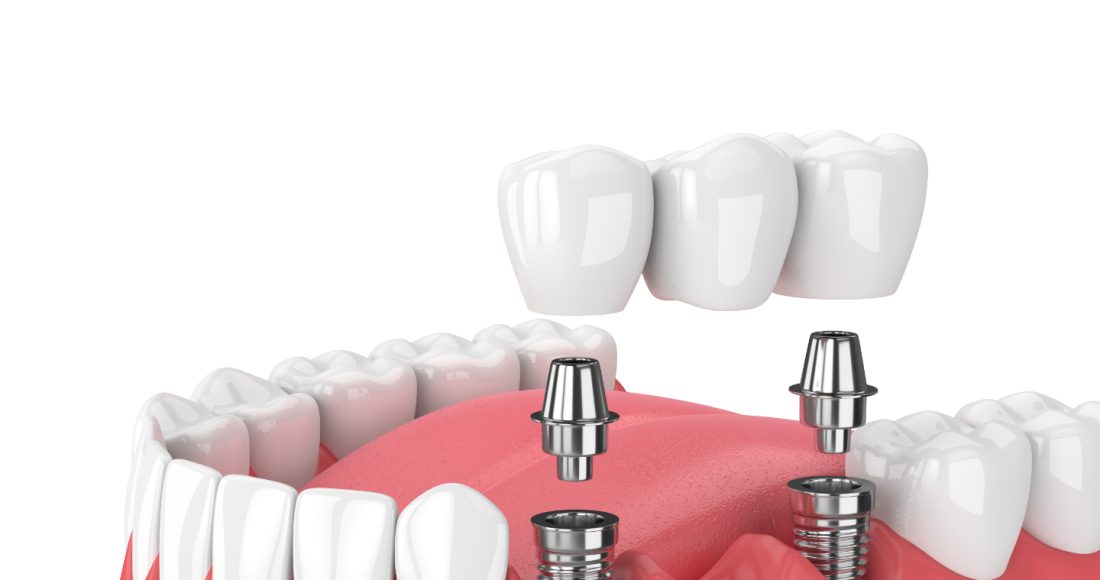
State-of-the-Art Dental Implants: Innovative Tech for Your Best Smile

Dental implants have become one of the most effective solutions for replacing missing teeth, offering durability, comfort, and a natural appearance. Unlike traditional dentures or bridges, implants are surgically placed into the jawbone, allowing them to function like natural tooth roots. In recent years, advances in dental technology have significantly improved the implant process, making treatments more precise, less invasive, and more accessible to patients. From digital diagnostics to advanced materials, modern dentistry is transforming how implants are designed and placed, helping people regain confident, healthy smiles with greater ease.
Digital Imaging and Accurate Treatment Planning
One of the most significant technological advancements in implant dentistry is the use of digital imaging. Tools such as cone beam computed tomography (CBCT) scans provide highly detailed three-dimensional images of the teeth, jawbone, and surrounding structures. This allows dentists to evaluate bone density, identify nerve pathways, and determine the most suitable placement for an implant before surgery even begins.
With digital imaging, treatment planning becomes far more precise. Dentists can simulate the entire implant procedure using specialised software, ensuring the implant is positioned at the correct angle and depth for long-term stability. This level of planning reduces the risk of complications and improves overall treatment outcomes.
Another benefit of advanced imaging is improved communication with patients. Dentists can visually demonstrate how the implant will be placed and explain the procedure step by step using digital models. This transparency helps patients feel more informed and confident about their treatment decisions.
Computer-Guided Implant Surgery
Computer-guided implant surgery is another breakthrough that has enhanced the safety and accuracy of dental implant procedures. Using digital planning data, dentists create custom surgical guides that direct the placement of implants during surgery. These guides ensure that implants are positioned exactly where they were planned in the digital model.
This technology allows dentists to place implants with remarkable precision, often within fractions of a millimetre of the intended location. Accurate placement is critical for both functional and aesthetic outcomes, especially in areas where the implant will support visible teeth.
Guided surgery also tends to be less invasive than traditional implant techniques. Because the dentist already knows the precise implant location, smaller incisions are often required. As a result, patients may experience reduced swelling, minimal discomfort, and faster healing times after the procedure.
For many patients, these improvements mean implant procedures can be completed more efficiently while still achieving highly reliable results.
Custom Restorations with CAD/CAM Technology
Modern dental implants benefit greatly from CAD/CAM technology, which stands for computer-aided design and computer-aided manufacturing. This technology enables dentists and dental laboratories to design custom restorations digitally using highly accurate scans of the patient’s mouth.
Once the digital design is completed, the restoration—such as an implant crown or bridge—can be manufactured using advanced milling machines or 3D printing systems. The result is a restoration that fits precisely with the patient’s bite, jaw alignment, and surrounding teeth.
CAD/CAM technology offers several advantages over traditional fabrication methods. Digital design reduces the likelihood of human error, improves fit accuracy, and shortens production times. Patients may also benefit from fewer dental appointments because restorations can often be produced more quickly.
These advancements contribute to tooth replacement innovations now making dental implants more accessible for individuals seeking reliable and aesthetically pleasing solutions for missing teeth.
Advanced Implant Materials and Surface Technology
The materials used in dental implants have also improved significantly over the years. Titanium remains the most commonly used material due to its strength, durability, and ability to integrate with bone through a process known as osseointegration.
Modern implants often feature specially treated surfaces that encourage faster bone attachment. These microscopic surface textures help the implant bond more effectively with the jawbone, improving stability and reducing healing times.
In addition to titanium, zirconia implants are becoming increasingly popular as a metal-free alternative. Zirconia offers excellent strength and a natural tooth-coloured appearance, making it an attractive option for patients who prefer a more aesthetic solution.
By combining improved materials with modern surgical techniques, dentists can deliver implants that are both durable and visually appealing, ensuring long-lasting results for patients.
Digital Dentistry and Smarter Practice Management
The future of implant dentistry is closely tied to the continued development of digital dental systems. Technologies such as intraoral scanners, digital impressions, and integrated treatment planning platforms are helping dentists streamline every stage of implant care.
Digital impressions, for example, eliminate the need for traditional moulds, which many patients find uncomfortable. Instead, dentists can capture precise 3D images of the teeth using handheld scanners, improving accuracy and patient comfort at the same time.
Digital workflows also allow dentists, specialists, and dental laboratories to collaborate more efficiently. Treatment plans and digital models can be shared instantly, allowing teams to coordinate complex implant cases with greater accuracy.
Beyond clinical benefits, digital systems also improve administrative efficiency in dental practices. Patient records, imaging data, and treatment plans can be organised and accessed quickly, allowing dental professionals to focus more on patient care.
As dental clinics continue to adopt advanced digital platforms, innovations such as making dental software an indispensable tool for the future of dentistry are helping support more efficient workflows, improved treatment planning, and better patient outcomes across modern dental practices.