



Sport, Stress & TMJ: The Links Between

Often thought of as purely dental or jaw-related problems, for many people the triggers of temporomandibular joint (TMJ) disorders lie well beyond the mouth. Sport and stress, two powerful forces in everyday life, can both play a significant role in the development and persistence of TMJ pain. Understanding how physical activity and psychological pressure interact with jaw function is essential for effective prevention and long-term relief.
Sport influences the jaw in more ways than most people realise. High-impact or contact sports such as football, rugby, martial arts, and basketball increase the risk of direct trauma to the jaw and face. Even minor blows that do not cause obvious injury can strain the TMJ or surrounding muscles, leading to inflammation and altered movement patterns. Repeated impacts, particularly without a properly fitted mouthguard, can compound this stress over time.
Beyond direct trauma, muscle tension often manifests as jaw pain or TMJ and many sports promote unconscious jaw clenching. Athletes often clench their teeth during moments of exertion, concentration, or competition. Weightlifting, sprinting, and endurance sports commonly involve sustained muscle tension, including in the jaw and neck. Persistent clenching overloads the jaw muscles and compresses the TMJ, increasing the likelihood of pain, clicking, and muscle fatigue. Over time, this pattern can carry over into daily life and even into sleep.
Stress acts as a powerful amplifier of these physical factors. Psychological stress is one of the strongest drivers of teeth grinding and jaw clenching, both during the day and at night. When the nervous system is in a heightened state, muscle tone increases, and the jaw is particularly susceptible. Stress-related habits often go unnoticed by the individual, making them difficult to address without conscious intervention.
The relationship between stress and TMJ is bidirectional. Jaw pain can disrupt sleep, concentration, and mood, increasing overall stress levels. This creates a self-perpetuating cycle where stress fuels jaw tension, and jaw pain reinforces stress. Athletes balancing training demands, competition pressure, work, and recovery are especially vulnerable to this loop.
Posture provides another important link. Many sports place heavy demands on the neck, shoulders, and upper back. Poor posture or muscular imbalance in these areas can alter head position, affecting how the jaw sits and moves. Forward head posture, common in both athletes and desk-based workers, increases strain on jaw muscles and can exacerbate TMJ symptoms.
Managing TMJ issues related to sport and stress requires a holistic approach. Protective strategies such as custom mouthguards can reduce the impact of trauma and limit clenching during activity. Awareness training helps athletes recognise and release unnecessary jaw tension. Stress management techniques, including breathing exercises, mindfulness, and adequate recovery can give your jaw more foundational strength and are equally important in reducing muscle overactivity.
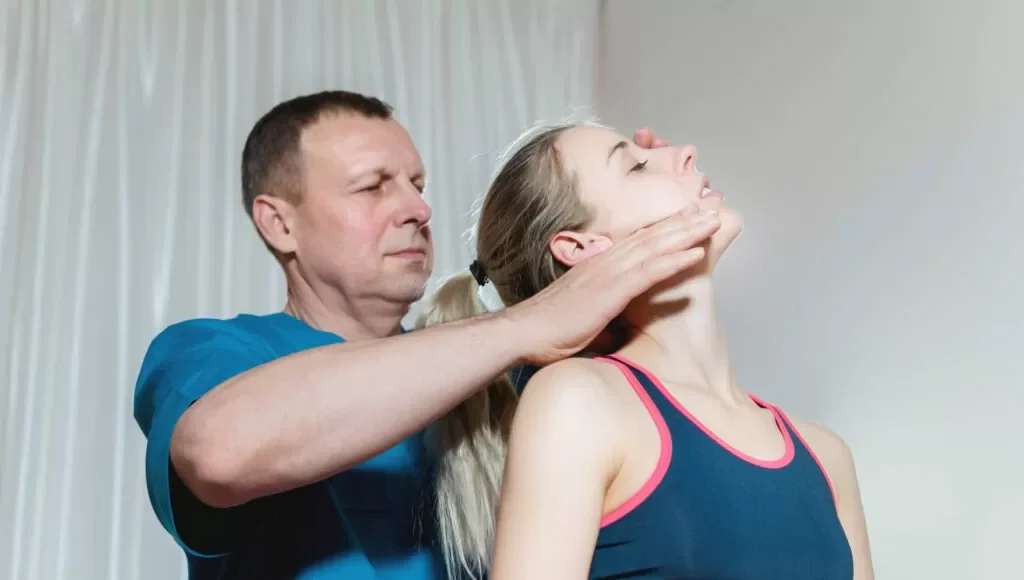
Professional support often plays a key role. Dentists can assess bite factors and provide splints where appropriate, while physiotherapists can address muscle imbalance and posture. In cases where stress is a dominant factor, psychological support may be essential.
By recognising the interconnected roles of sport, stress, and TMJ function, individuals can move beyond symptom treatment toward sustainable jaw health. Addressing both the physical and mental demands placed on the body offers the best chance of breaking the cycle of pain and restoring comfortable, efficient movement.