




Stillness in Motion: The Enduring Power of Meditation in a Restless World

Introduction: Rediscovering an Ancient Practice
In a world that rarely pauses, the art of meditation stands as a quiet rebellion. Though often romanticized today as a trendy wellness ritual, meditation’s origins stretch back thousands of years across diverse cultures and spiritual traditions. At its essence, it is a deliberate return to presence—a way to befriend the mind, observe the heart, and reconnect with the timeless stillness that modern life so often obscures.
What Is Meditation?
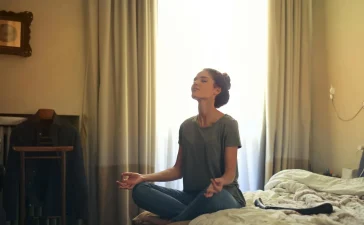
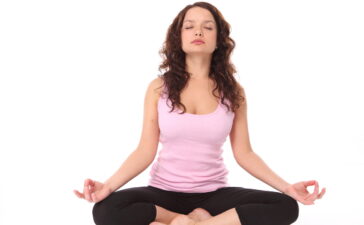
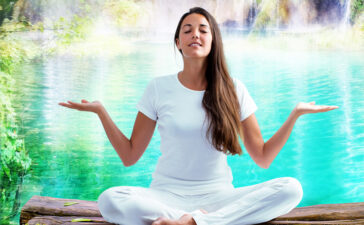
Meditation is deceptively simple yet profoundly transformative. Put plainly, it is the practice of training one’s attention and awareness, often with the goal of achieving mental clarity, emotional calm, and a deeper sense of inner peace. Contrary to popular belief, meditation is not about silencing thoughts entirely, but rather learning to witness them without attachment or judgment.
Roots and Evolution of Meditation
Meditation has flourished in various forms, from the ancient Hindu Vedic traditions and Buddhist mindfulness practices to Christian contemplative prayer and the meditative chants of Sufi mystics. While once confined mostly to monastic life or spiritual seekers, meditation today has found its way into corporate boardrooms, schools, hospitals, and even prisons—testament to its universal relevance.
Types of Meditation: Finding Your Path
There is no single “right” way to meditate. Different traditions offer distinct approaches, each suited to unique temperaments and needs.
Some Well-Known Forms Include:
-
Mindfulness Meditation: Rooted in Buddhist practice, it encourages non-judgmental awareness of the present moment.
-
Concentration Meditation: Focuses the mind on a single object, sound, or mantra to cultivate stillness.
-
Loving-Kindness Meditation (Metta): Centers on generating compassion and goodwill for oneself and others.
-
Transcendental Meditation (TM): Involves silently repeating a specific mantra to transcend ordinary thought.
-
Body Scan and Yoga Nidra: Guide awareness through the body, promoting deep relaxation.
-
Zen (Zazen): Emphasizes seated meditation with a focus on posture, breath, and the open observation of thoughts.
The Science Behind the Stillness
Modern science has eagerly explored what ancient sages long intuited: meditation alters the brain and body in measurable, beneficial ways. Research using fMRI scans has shown that regular meditators often display increased grey matter density in regions linked to memory, empathy, and emotional regulation.
Documented Benefits Include:
-
Stress Reduction: Meditation lowers cortisol levels, easing chronic stress and anxiety.
-
Enhanced Focus: Regular practice sharpens attention span and improves concentration.
-
Emotional Balance: Helps manage depression, fear, and mood swings.
-
Better Sleep: A calm mind naturally finds deeper, more restorative sleep.
-
Pain Management: Mindfulness can reduce the perception of pain and discomfort.
-
Heart Health: Meditation is associated with lower blood pressure and improved cardiovascular function.
Meditation in Daily Life: Beyond the Cushion
For many, the greatest barrier to meditation is the misconception that it requires hours of solitude or a perfectly still mind. In truth, the practice is far more adaptable—and forgiving—than that.
Practical Tips for Weaving Meditation Into Modern Routines:
-
Start Small: Just five to ten minutes daily can yield noticeable benefits over time.
-
Anchor to Routine: Meditate at the same time each day—perhaps upon waking or before bed.
-
Use the Breath: The breath is a portable anchor for presence, available anytime, anywhere.
-
Mindful Moments: Turn mundane tasks like washing dishes or walking to the store into mini meditations.
-
Be Gentle: Distractions will come; the point is to notice them and gently return to the present.
Overcoming Common Myths
Many shy away from meditation because they feel they are “bad at it.” This notion stems from a misunderstanding of the practice itself.
Popular Misconceptions:
-
“I can’t stop my thoughts.” The goal isn’t to suppress thinking but to change our relationship with it.
-
“I don’t have time.” Even a minute of mindful breathing is worthwhile.
-
“It’s only for spiritual people.” Meditation can be secular or spiritual—what matters is the intention behind it.
-
“It must be practiced sitting still.” Walking meditation, mindful movement, or even mindful listening count, too.
The Role of Teachers and Community
While meditation can be learned solo, many find that guidance accelerates growth. Teachers, classes, and meditation groups create a supportive environment for beginners and seasoned practitioners alike.
Benefits of Meditating With Others:
-
Encourages discipline through shared accountability.
-
Provides nuanced guidance when challenges arise.
-
Deepens understanding through discussion and reflection.
-
Cultivates a sense of belonging on the path inward.
Meditation and Modern Well-Being Trends
As mental health awareness grows globally, meditation continues to weave itself into mainstream wellness culture. Many corporations now offer mindfulness training to boost employee focus and reduce burnout. Schools integrate it to help students manage stress and anxiety. Even athletes and high performers rely on meditation to sharpen their competitive edge.
Emerging Innovations:
-
Apps and Digital Retreats: Tools like Headspace and Calm have made guided sessions accessible to millions.
-
Biofeedback Devices: Wearables that track heart rate variability and stress responses.
-
Hybrid Practices: Combining meditation with breathwork, sound baths, or movement for deeper states of relaxation.
Conclusion: A Journey Without Finish Line
In an era that glorifies hustle and endless productivity, meditation is a gentle reminder that stillness, too, is a vital form of progress. It invites us to pause, listen, and remember that peace is not found in the absence of noise, but in our willingness to sit quietly amidst it.
Ultimately, meditation is not about escaping the world, but learning to meet it with clarity and compassion. It is an art that transforms the ordinary moments of life into gateways of presence—a lifelong practice, endlessly simple yet endlessly profound.
For those who choose to sit, breathe, and simply be, meditation offers a timeless gift: the chance to come home to oneself, again and again, one mindful breath at a time.